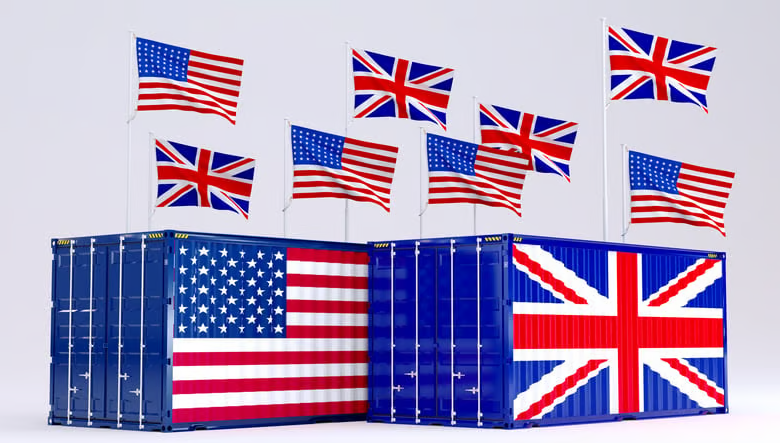
The Trump administration and the United Kingdom have finalized a country-specific trade agreement that confers Washington’s largest pharmaceutical import tariff break yet. Key Provisions: The agreement in principle, announced on December 1, stipulates that the U.S. will: Grant Tariff Exemption: Exempt U.K.-origin pharmaceuticals, ingredients, and medical technology from the administration's industry-specific tariffs. This exemption is set to last for "at least" three years. Refrain from Pricing Investigations: Commit to refraining from targeting U.K. pharmaceutical pricing practices in any future Section 301 investigation for the duration of President Trump's term. UK Reform Commitments: In exchange, the U.K. is set to draft significant changes to how the National Health Service (NHS) appraises and pays for drugs: Increase Novel Drug Price Threshold: The UK will boost the net price the NHS pays for novel treatments by 25%. Prevent Price Erosion: The British government has pledged to prevent higher prices for new drugs from being "materially eroded by a demand for portfolio-wide concessions" under NHS drug cost rebate schemes (like VPAG). Alter Valuation Framework: The UK will alter the framework under which the drug cost watchdog, the National Institute for Health and Care Excellence (NICE), judges the value of innovative medicines. This change will be reflected in the organization’s "quality-adjusted life year" (QALY) metric, which NICE uses when weighing drug recommendations for NHS coverage. Strategic Context and Impact: The deal is expected to bolster major biopharma investment in both countries. The U.S. HHS Secretary stated that the agreement "strengthens the global environment for innovative medicines" and "brings long-overdue balance" to U.S.–U.K. pharmaceutical trade. The agreement aligns with the Trump administration’s "most favored nation" drug pricing strategy, which seeks to align U.S. pharmaceutical costs with the lower prices paid in other developed nations. Earlier this year, several large drugmakers paused or pulled projects in the U.K. (including Merck & Co., Sanofi, and AstraZeneca) over perceived flaws in the country's valuation of novel drugs and the country's attractiveness for future life sciences investments. The tariff exemption and the UK's commitment to increase spending are expected to appease these firms. Source: https://www.fiercepharma.com/pharma/trump-administration-locks-trade-deal-setting-uk-drug-tariffs-zero